Quick Summary
Powder fertilizer lines cost $30,000–$100,000; granular lines run $100,000–$550,000. Don’t overlook hidden expenses – permits, site prep, and working capital can add 20–50% to your budget.
Start with a powder line to lower risk and build cash flow, then scale to granular later. With proper planning, most operations see payback in 2–3 years.
Have you ever looked at a pile of cow manure and seen dollar signs?
Probably not.
But here’s the deal: That pile of waste could be generating serious revenue for your farm or business. I’m talking about organic fertilizer production line cost – and whether it’s worth the investment.
I’ve analyzed dozens of equipment quotes, talked to plant owners across the country, and dug into the data. And in this guide, as a professional organic fertilizer production line manufacturer, I’m going to break down exactly what you can expect to spend in 2026.
Sound good?
Let’s dive in.
What Exactly Is an Organic Fertilizer Production Line?
Before we talk money, let’s get clear on what we’re actually building here.
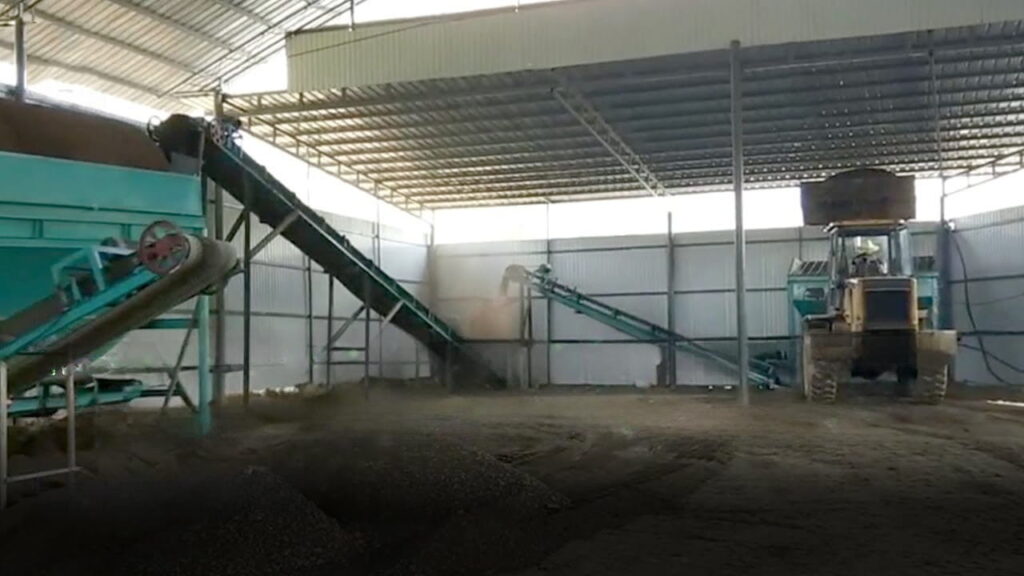
An organic fertilizer production line takes raw organic waste – think animal manure, crop residues, food waste, or compost – and turns it into a sellable fertilizer product.
The basic process looks like this:
- Fermentation – Stabilizing the raw material
- Crushing & mixing – Getting the right consistency
- Granulation – Forming pellets (if you want granular product)
- Drying & cooling – Reducing moisture
- Screening – Separating合格 product
- Packaging – Getting it ready for sale
Each stage needs specific equipment. And the organic fertilizer production line cost changes dramatically based on what you’re trying to make.
The Real Numbers: What You’ll Actually Pay in 2026
Here’s where things get interesting.
I’ve looked at dozens of equipment suppliers, analyzed project reports, and talked to plant owners. And the range is huge – we’re talking anywhere from $12,000 to over $500,000.
But let me break this down so you actually know what to expect.
Powder vs. Granular: The Big Decision
This is the single biggest factor affecting your budget.
Powder lines are your entry point. They’re simpler, cheaper, and perfect for smaller operations or direct farm use.
Granular lines produce those nice pellets that store better, spread more evenly with standard equipment, and sell at higher prices. But they cost roughly 3x more upfront.
Here’s what the numbers look like for 2026:
| Scale & Type | Equipment Cost | Best For |
|---|---|---|
| Small Powder (1–5 t/h) | $30,000 – $45,000 | Startups, small farms |
| Medium Powder (5–10 t/h) | $45,000 – $60,000 | Local distributors |
| Large Powder (10–20 t/h) | $60,000 – $100,000 | Regional suppliers |
| Small Granular (1–5 t/h) | $100,000 – $150,000 | Value-added products |
| Medium Granular (5–10 t/h) | $150,000 – $350,000 | Growing commercial ops |
| Large Granular (10–20+ t/h) | $350,000 – $550,000 | Industrial-scale producers |
Pro Tip: These numbers are for equipment only. Full plant setup – including facility modifications, permits, and working capital – can add another 20-50% to your total investment.
Breaking Down Individual Equipment Costs
Let me walk you through what each piece actually costs.
Because understanding where your money goes helps you make smarter decisions.
Composting & Fermentation Equipment
This is where everything starts.
- Compost turner – $10,000 to $30,000+
- Fermentation tank – $15,000 to $50,000
Don’t skimp here. Proper composting directly impacts your final product quality. And quality determines what price you can charge.
Crushing & Mixing Systems
- Vertical crusher – $3,000 to $8,000
- Horizontal mixer – $4,000 to $10,000
- Belt conveyors – $1,000 to $3,000 per unit
Here’s what I’ve learned from talking to plant owners: Invest in quality crushing equipment. It pays dividends through reduced maintenance and more consistent product quality.
Granulation Equipment (For Granular Lines)
This is where costs jump significantly:
- Disc pelletizer – $12,000 to $18,000
- Rotary drum granulator – $55,000 to $80,000
- Drying system – $25,000 to $40,000
- Cooling system – $10,000 to $25,000
- Coating machine – $8,000 to $15,000
Screening & Packaging
- Rotary screening machine – $3,000 to $8,000
- Packaging system – $5,000 to $15,000
5 Key Factors That Affect Your Production Line Cost
The organic fertilizer production line cost isn’t just about picking equipment off a shelf.
Several variables can swing your final investment by tens of thousands of dollars.
1. Capacity (Tons Per Hour)
This is obvious, but let me spell it out.
Higher throughput requires more robust machinery. A small 1-2 t/h line might cost you $50,000. A large 15-20 t/h operation? You’re looking at $380,000 to $1.5 million+.
The sweet spot for most regional suppliers? 5-10 t/h. You get economies of scale without the massive upfront hit.
2. Automation Level
Want to save on labor? You’ll pay more upfront.
Higher automation reduces your headcount but increases initial equipment investment. Semi-automatic systems keep costs down. Fully automated lines with PLC controls can add 20-30% to your equipment budget.
Pro Tip: Start semi-automated. Add automation as you scale and cash flow improves.
3. Raw Material Type
Not all organic waste is created equal.
Poultry manure requires different handling than cow dung. And composted sludge? Completely different beast.
Your raw material affects:
- Pre-processing needs
- Moisture control requirements
- Granulation difficulty
- Odor control systems
4. Location & Regulations
In the US, organic certification (USDA NOP), environmental permits, and wastewater handling add $5,000 to $20,000 to startup costs.
And if you’re in high-cost states like California? Factor in 15-25% higher labor and energy expenses.
5. Equipment Origin
Locally manufactured equipment has lower upfront cost. Imported systems might offer longer service life or advanced features.
I’ve seen used equipment go for 30-50% less than new. But inspect thoroughly and verify maintenance history before buying.
Hidden Costs That Catch People Off Guard
I’ve helped dozens of businesses set up production lines. And these costs always surprise first-timers.
Site Preparation & Utilities
Budget $20,000 to $50,000 for:
- Concrete foundations
- Electrical installations
- Water systems
- Drainage and runoff management
A recent project in Nebraska needed $35,000 just for proper drainage systems.
Permits & Compliance
Environmental permits, zoning approvals, and organic certification add $5,000 to $20,000.
Start this process early. I’ve seen projects delayed by months due to permit issues.
Installation & Commissioning
Professional installation typically costs 10-15% of equipment value.
But it ensures optimal performance and warranty coverage. Don’t skip this.
Working Capital
Plan for 3-6 months of operational costs including:
- Raw materials ($50-$100 per ton)
- Utilities
- Labor
- Maintenance supplies
Real-World Examples: What Actually Works
Let me share some actual projects I’ve studied.
Case Study 1: Family Farm (Minnesota, 2023)
- Capacity: 2 tons/hour powder line
- Total investment: $28,000
- Equipment: Basic composting, crushing, screening, packaging
- ROI period: 18 months selling to local garden centers
This farmer started small. Processed their own livestock manure. Built a local customer base. Then expanded.
Case Study 2: Regional Cooperative (California, 2023)
- Capacity: 10 tons/hour granular line
- Total investment: $185,000
- Features: Full automation with quality control
- Result: 15,000 tons annually with 35% profit margins
Case Study 3: Commercial Operation (Texas, 2024)
- Capacity: 20 tons/hour complete line
- Total investment: $420,000
- Features: Advanced coating and custom blend capabilities
- Projected annual revenue: $3.2 million
ROI: When Do You Actually Make Money?
Let’s run the numbers.
Production assumptions:
- 300 operating days per year
- 85% capacity utilization
- Average selling price: $180-$250 per ton
Example calculation (10 tons/hour granular line):
- Annual production: 20,400 tons
- Gross revenue: $4,080,000 (at $200/ton)
- Operating costs: $2,550,000 (including raw materials)
- Net profit: $1,530,000
On a $185,000 equipment investment? That’s an 8.3x gross return. Realistically, with proper management, you’re looking at a 2-3 year payback period.
Pro Tip: Raw materials dominate ongoing expenses – 50-60% of operating costs. Secure long-term contracts or partner with waste generators to minimize input costs.
Strategies to Reduce Your Initial Investment
Want to get started without breaking the bank?
Here’s what I recommend based on my experience:
1. Start With a Powder Line
You can always add granulation later.
Many successful operations began with powder lines under $50,000. They established market presence, built cash flow, then expanded into granular production.
2. Consider Used Equipment
Quality used equipment can reduce costs by 30-50%.
I’ve sourced reliable used granulators for $15,000 that would cost $30,000 new. Always inspect thoroughly and verify maintenance history.
3. Phased Implementation
Begin with core equipment. Add auxiliary systems as cash flow improves.
A client in Oregon started with $60,000 in basic equipment and added $40,000 in automation over two years.
4. Apply for Grants
USDA and state grants support sustainable agriculture and organic production. That’s free money – take advantage of it.
5. Local Sourcing
Reduce transportation costs by working with regional equipment suppliers. Steel fabrication for hoppers and frames can often be done locally at 60% of imported costs.
Common Budgeting Mistakes to Avoid
I’ve seen these mistakes sink otherwise promising projects.
Mistake #1: Choosing equipment capacity that exceeds actual demand
Mistake #2: Ignoring environmental protection requirements
Mistake #3: Underestimating installation and commissioning costs
Mistake #4: Focusing only on price instead of long-term reliability
Mistake #5: Forgetting about ongoing maintenance (budget 5-8% of equipment value annually)
Operational Costs You Need to Plan For
Beyond initial investment, here’s what monthly operations look like.
Labor Requirements
- Small line (1-5 t/h): 2-3 operators
- Medium line (5-10 t/h): 4-6 operators
- Large line (10-20 t/h): 8-12 operators
Monthly Utility Costs
- Electricity: $2,000 – $8,000
- Natural gas (for drying): $1,500 – $5,000
- Water: $500 – $2,000
Land Costs
- Small plant (1-8 t/h): 1,200-2,000 sq ft, lease costs $6,000-$60,000/month
- Large plant (20-40 t/h): 4,000-8,000 sq ft, purchase up to $4,000,000
Final Thoughts
Here’s the bottom line:
The organic fertilizer production line cost isn’t a fixed number. It’s a result of your capacity, equipment choices, and operational goals.
Powder lines offer the lowest entry barrier – $30,000 to $100,000.
Granular operations provide higher margins and broader market reach – $100,000 to $550,000.
And with organic fertilizer selling for $180-$250 per ton, the numbers can work really well.
But don’t just take my word for it.
Before you write a check, talk to equipment suppliers. Get customized quotes. Visit operating facilities if you can. Nothing replaces seeing equipment in action.
And remember: A well-matched production line, designed around your actual raw materials and market demand, delivers better long-term value than the lowest-priced option.
Because at the end of the day, success in organic fertilizer production isn’t just about having the right equipment. It’s about understanding your market, managing operations efficiently, and continuously improving your processes.
So do your homework. Plan conservatively. Add 20% contingency to all estimates.
And if you do it right? That pile of manure might just turn into a pile of money.
Now go make it happen.