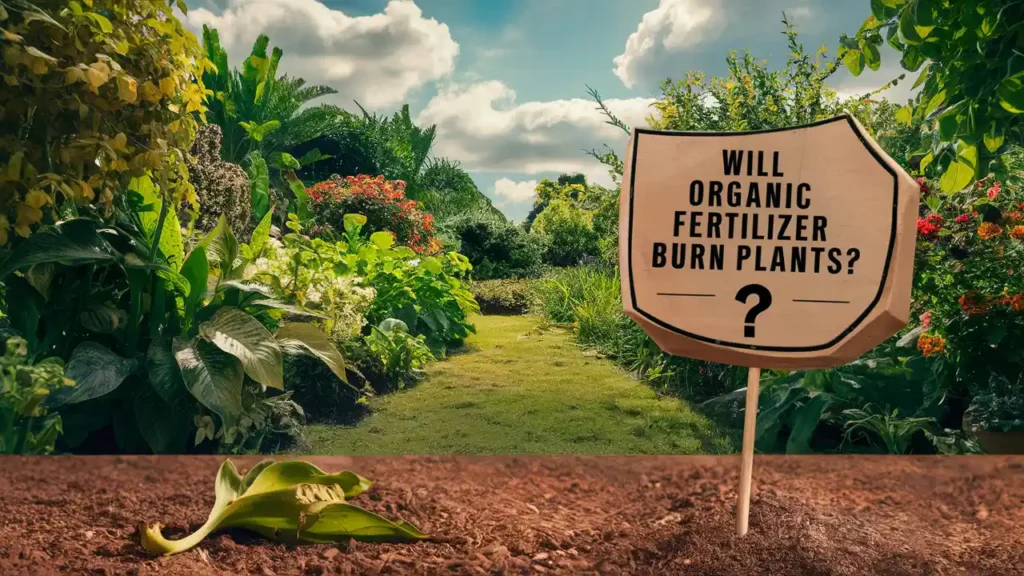
Will organic fertilizer burn plants?
Here’s the short answer: Yes, it can.
I know what you’re thinking. “But isn’t organic fertilizer supposed to be the safe option?”
Well, yes and no.
While organic fertilizers are generally safer than synthetic ones, they can still damage your plants if you use them wrong.
In fact, I’ve seen plenty of gardeners accidentally fry their tomatoes with “natural” chicken manure. Not pretty.
The good news? Organic fertilizer burn is 100% preventable. And in this guide, as a professional organic fertilizer machine manufacturer, I’ll show you exactly how to use organic fertilizers safely.
Let’s dive in.
What Exactly Is Fertilizer Burn?
First things first:
Fertilizer burn has nothing to do with heat or temperature.
(I know, the name is misleading.)
Instead, fertilizer burn happens when too many salts and nutrients build up around your plant’s roots.
Here’s what’s actually going on:
The high salt concentration in the soil creates what scientists call “osmotic stress.” Basically, the salts pull water OUT of your plant’s roots instead of letting water flow IN.
Think of it like this:
Your plant’s roots are trying to drink water. But the salty soil is so thirsty that it steals water from the roots instead.
The result? Your plant literally dehydrates. Even if you’re watering regularly.
This shows up as:
- Yellow or brown leaf tips
- Wilting (even in moist soil)
- Stunted growth
- Dead patches on leaves
- In severe cases, plant death
Not good.
Can Organic Fertilizer Really Burn Plants?
Now for the million-dollar question:
Will organic fertilizer burn plants? The answer is yes, but it’s way less likely than with synthetic fertilizers.
Here’s why:
A recent industry study found that synthetic fertilizers release nutrients immediately. Like, the second they hit the soil.
Organic fertilizers? They release nutrients slowly over weeks or months.
This slow-release action is exactly why organic fertilizers are safer. The nutrients trickle out gradually instead of hitting your plants with a massive dose all at once.
But (and this is a big but):
Even organic fertilizers contain salts and concentrated nutrients. Use too much, and you’ll still burn your plants.
Let me give you a real-world example:
Fresh chicken manure can contain up to 4% nitrogen. That’s SUPER concentrated. Dump a pile of fresh chicken poop next to your lettuce, and you’ll have crispy lettuce within days.
Not the good kind of crispy.
The Main Culprits Behind Organic Fertilizer Burn
So what causes organic fertilizers to burn plants?
Based on my experience (and a ton of research), here are the biggest mistakes:
1. Over-Application
This is mistake #1 by far.
I get it. You want your plants to grow big and strong. So you figure, “If a little fertilizer is good, a lot must be better!”
Wrong.
Even organic fertilizers can overwhelm your plants if you go overboard.
For example, blood meal contains about 12% nitrogen. That’s concentrated stuff. Use the recommended 1 tablespoon per plant, and you’re golden. Use a whole cup? Your plants are toast.
2. Using Fresh or “Hot” Manure
Here’s something most people don’t know:
Fresh manure is basically plant kryptonite.
Why? Fresh manure hasn’t broken down yet. It’s loaded with:
- Super high nitrogen levels
- Excess salts
- Ammonia that can literally burn roots
- Potentially harmful bacteria (but that’s another story)
The University of California found that fresh manure can have salt levels 10x higher than aged manure.
Always use composted or aged manure. Period.
3. Applying Concentrated Liquids Without Dilution
Liquid organic fertilizers like fish emulsion are great.
IF you dilute them properly.
Most liquid organics need to be mixed at specific ratios. Fish emulsion, for instance, typically needs to be diluted to 1 tablespoon per gallon of water.
Skip the dilution step? You’re basically pouring fish concentrate on your plants’ roots.
They won’t thank you for it.
4. Bad Timing
Timing matters more than most people think.
Applying organic fertilizer during the wrong conditions dramatically increases burn risk:
- During drought stress: Plants can’t process nutrients properly when they’re already struggling for water
- In extreme heat: High temperatures amplify salt concentration effects
- To dormant plants: They can’t use the nutrients, so salts just build up
I learned this the hard way when I fertilized my drought-stressed roses in July. Let’s just say they weren’t happy.
5. Getting Too Close to Roots
Location, location, location.
Even safe organic fertilizers can burn if you concentrate them right against the stem or directly on top of roots.
Think about it:
If you dump a pile of fertilizer 2 inches from your plant’s stem, you’re creating a super-concentrated zone of nutrients. The tender feeder roots in that area get overwhelmed.
Always spread fertilizer evenly around the root zone. Keep it at least 4-6 inches from the stem.
How to Prevent Organic Fertilizer Burn (The Right Way)
Now for the good stuff.
Here’s exactly how to use organic fertilizers without burning your plants:
Start With a Soil Test
This is step #1 for a reason.
You can’t know how much fertilizer to use if you don’t know what your soil already has.
A soil test tells you:
- Current nutrient levels
- pH (super important)
- What nutrients you actually need
The University of Minnesota found that 68% of home gardeners over-fertilize because they skip soil testing.
Don’t be part of that statistic.
Follow the Damn Instructions
I know, I know. Reading instructions is boring.
But here’s the thing:
Fertilizer manufacturers spend thousands of dollars figuring out the right application rates. Use them.
If the bag says “1 pound per 100 square feet,” don’t use 3 pounds because you want faster results.
More is not better. More is dead plants.
Water, Water, Water
Here’s a simple rule:
Always water before AND after applying organic fertilizer.
Why both?
Watering before application ensures your plants aren’t drought-stressed. Watering after helps:
- Dissolve the fertilizer
- Spread nutrients evenly
- Dilute any concentrated spots
- Move nutrients into the root zone
Think of water as your insurance policy against fertilizer burn.
Use Aged Materials Only
Remember that fresh manure problem I mentioned?
Here’s how to know if organic materials are safe:
Properly aged compost/manure will:
- Look like dark, crumbly soil
- Smell earthy (not like ammonia or poop)
- Feel cool to the touch
- Be at least 6 months old
If it smells strong or feels warm, it’s not ready.
Time It Right
The best times to apply organic fertilizer:
- Early morning (cool temperatures, less stress)
- Evening (avoid the heat of the day)
- When soil is moist but not waterlogged
- During active growth periods
Avoid fertilizing:
- During droughts
- In extreme heat (over 85°F)
- When plants are dormant
- Right before heavy rain (nutrients wash away)
Dilute Liquid Fertilizers Properly
For liquid organics, here’s my process:
- Read the label dilution rate
- Use slightly LESS than recommended (you can always add more)
- Mix thoroughly
- Apply to moist soil (never dry)
- Water lightly after application
Pro tip: Use a dedicated watering can with measurement marks. Makes dilution foolproof.
What If You’ve Already Burned Your Plants?
Okay, let’s say you’re reading this after the damage is done.
Your plants have crispy brown edges. Maybe some yellow spots. They look sad.
Don’t panic. Here’s your recovery plan:
Step 1: Stop Fertilizing Immediately
First rule of holes: stop digging.
Don’t add ANY fertilizer (organic or otherwise) until your plants recover. They need time to process what’s already there.
Step 2: Flush the Soil
This is critical:
You need to wash away the excess salts and nutrients.
Water deeply and slowly. I’m talking about 2-3 times your normal watering amount. The goal is to push those excess salts below the root zone.
For container plants, water until you see lots of runoff from the drainage holes.
Step 3: Remove Damaged Parts
Those brown, crispy leaves? They’re not coming back.
Prune off badly damaged foliage. This helps the plant focus energy on new growth instead of trying to repair dead tissue.
Step 4: Be Patient
Recovery takes time.
Most plants bounce back within 2-4 weeks if the damage isn’t severe. You’ll see new green growth appearing.
Once you see consistent new growth, you can start fertilizing again. But use 1/2 the recommended rate to start.
The Bottom Line on Organic Fertilizer Burn
Here’s what it all comes down to:
Will organic fertilizer burn plants? Yes, if you use it incorrectly.
But with the right approach, organic fertilizers are much safer than synthetic options. They:
- Release nutrients slowly
- Improve soil structure
- Support beneficial microbes
- Reduce the risk of burn (when used properly)
The key is respecting that even “natural” products need to be used correctly.
Follow the guidelines I’ve laid out here, and you’ll get all the benefits of organic fertilizers without the crispy plant syndrome.
Remember: start with less, water thoroughly, and always use aged materials.
Your plants (and your soil) will thank you for it.
Now I’d like to hear from you:
Have you experienced fertilizer burn with organic products? What happened?
Let me know in the comments below.