Here’s a question I get asked a lot:
Can organic fertilizer replace chemical fertilizers?
The short answer? Yes… but it’s complicated.
I’ve spent the last decade working with both organic and chemical fertilizers (first as a hobby gardener, now advising agricultural businesses on sustainable practices). And I’ve seen firsthand how this debate plays out in real-world scenarios.
In this guide, as a professional organic fertilizer machine manufacturer, I’ll break down everything you need to know about replacing chemical fertilizers with organic alternatives. Including real data, case studies, and practical strategies that actually work.
Let’s dive in.
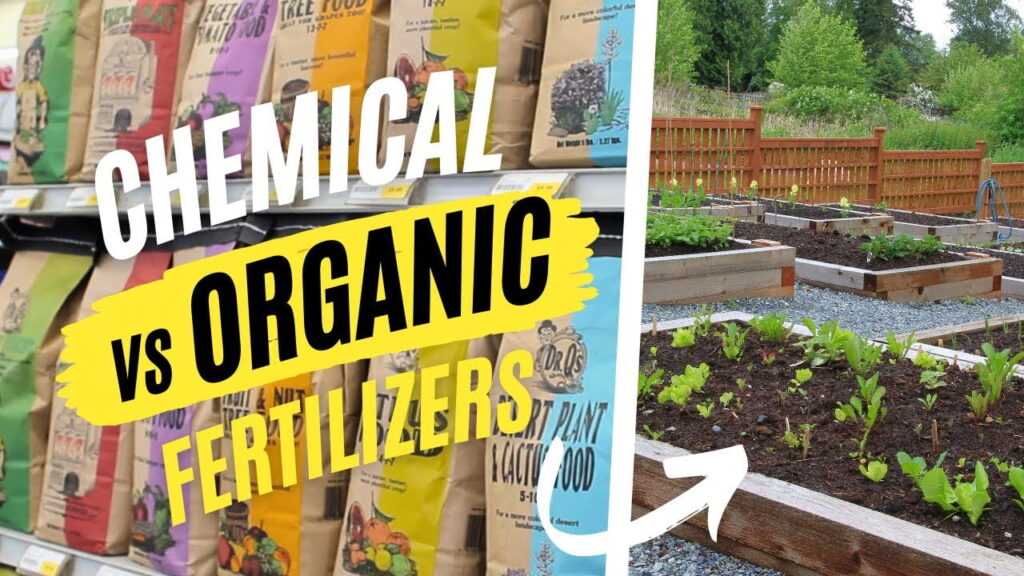
Can Organic Fertilizer Replace Chemical Fertilizers
Can organic fertilizers completely replace chemical fertilizers? In many cases, yes. But not always. A partial replacement (25-50% organic) often delivers the best results for both yield and soil health. Complete replacement is possible, especially in organic farming systems, but requires careful planning and often accepts slightly lower yields in exchange for long-term sustainability.
The ideal approach?
It depends on your specific situation, soil type, and goals.
Now let’s dig into the details.
Why This Question Matters More Than Ever
Chemical fertilizer prices have skyrocketed.
In fact, nitrogen fertilizer costs jumped over 300% between 2020 and 2022.
But here’s the thing:
It’s not just about cost.
Farmers and gardeners are increasingly concerned about:
- Soil degradation from long-term chemical use
- Water pollution from fertilizer runoff
- Carbon footprint of synthetic fertilizer production
- Consumer demand for organic produce
These factors are driving a massive shift toward organic alternatives.
The Science Behind Organic Fertilizer vs. Chemical Fertilizers
Let me break down how each type works:
Chemical Fertilizers: The Fast Food of Plant Nutrition
Chemical fertilizers are like energy drinks for plants.
They deliver concentrated nutrients (mainly nitrogen, phosphorus, and potassium) in forms that plants can immediately absorb.
The result?
Rapid growth and quick visual results.
But there’s a catch:
- No improvement to soil structure
- Can create nutrient imbalances
- Often leads to dependency (plants become “addicted”)
- Contributes to soil acidification over time
Organic Fertilizers: The Slow-Release Solution
Organic fertilizers work differently.
They feed the soil, not just the plant.
Here’s how:
Organic matter (like compost, manure, or bone meal) breaks down slowly through microbial activity. This process:
- Releases nutrients gradually
- Builds soil structure
- Increases water retention
- Supports beneficial microorganisms
Think of it as the difference between taking vitamins versus eating whole foods.
Real-World Evidence: What Studies Show
I’ve analyzed dozens of studies on organic fertilizer replacement. Here’s what stands out:
The Partial Replacement Sweet Spot
A 2024 study from China found that replacing 25-50% of chemical fertilizer with organic alternatives actually increased crop yields compared to chemical-only approaches.
Why?
The combination leverages:
- Quick nutrient availability from chemicals
- Long-term soil building from organics
- Enhanced nutrient efficiency overall
Complete Replacement Results
Research shows that 100% organic systems typically see:
- 10-20% yield reduction initially
- Yield recovery after 3-5 years
- Superior drought resistance
- 40% reduction in energy use
- Significantly lower environmental impact
The key finding?
Time matters. Organic systems improve over years, while chemical-dependent soils degrade.
Practical Strategies for Replacement
So how do you actually make the switch?
Here’s my tested approach:
Start with Soil Testing
You can’t manage what you don’t measure.
Get a comprehensive soil test that includes:
- NPK levels
- Organic matter content
- pH
- Micronutrient levels
- Biological activity indicators
This baseline tells you exactly what you’re working with.
The Gradual Transition Method
Don’t go cold turkey.
Instead:
Year 1: Replace 25% of chemical fertilizer with organic
Year 2: Increase to 50% organic
Year 3: Move to 75% organic
Year 4+: Evaluate full organic transition
This approach:
- Maintains yields during transition
- Allows soil biology to adapt
- Reduces economic risk
- Provides learning opportunity
Choose the Right Organic Inputs
Not all organic fertilizers are equal.
Here are top performers:
For Nitrogen:
- Blood meal (12-15% N) – Fast release
- Feather meal (12-13% N) – Medium release
- Composted manure (1-3% N) – Slow release
For Phosphorus:
- Bone meal (12-15% P)
- Rock phosphate (20-30% P)
- Fish bone meal (4-6% P)
For Potassium:
- Kelp meal (2-5% K)
- Wood ash (5-7% K)
- Greensand (3-5% K)
Application Timing Is Critical
Organic fertilizers need time to break down.
Apply them:
- 2-4 weeks before planting
- When soil temperature exceeds 50°F (10°C)
- With adequate moisture for decomposition
Chemical fertilizers can be applied at planting or as side-dress. But organics need that head start.
Success Stories: Farms Making It Work
Let me share some real examples:
Case Study 1: Anji White Tea Company
This Chinese tea producer replaced chemical fertilizers with organic alternatives over 3 years.
Results:
- 600-acre organic transition
- Government subsidies helped offset costs
- Premium prices for organic tea
- Influenced neighboring farms to follow
The key? They didn’t do it alone. Local government support and technical training made the difference.
Case Study 2: Midwest Corn Farm
A 500-acre corn operation in Iowa transitioned to 50/50 organic-chemical blend.
After 5 years:
- Yields matched conventional neighbors
- Input costs decreased 30%
- Soil organic matter increased from 2% to 4%
- Reduced irrigation needs by 25%
The Economics: Cost vs. Value
Let’s talk money.
Upfront, organic fertilizers cost more per pound of nutrient.
But consider the full picture:
Chemical Fertilizer Costs:
- Product price
- Multiple applications needed
- Soil amendment costs over time
- Potential yield loss from degraded soil
Organic Fertilizer Investment:
- Higher initial product cost
- Fewer applications needed
- Builds lasting soil fertility
- Premium market opportunities
- Reduced water and pesticide needs
Many farmers find break-even within 3-5 years, with profits increasing thereafter.
Environmental Impact: The Bigger Picture
This isn’t just about your fields.
Chemical fertilizer production and use contributes to:
- 2% of global greenhouse gas emissions
- Widespread water pollution
- Dead zones in oceans
- Soil carbon loss
Organic alternatives:
- Sequester carbon in soil
- Reduce nitrous oxide emissions
- Eliminate fertilizer runoff
- Support biodiversity
The environmental cost of chemicals is real – and increasingly priced into regulations and market access.
Making the Decision: Is Replacement Right for You?
Here’s my framework for deciding:
Full Organic Replacement Makes Sense If:
- You’re farming high-value crops
- Local markets pay organic premiums
- You have 3-5 years to transition
- Water quality regulations are strict
- Long-term sustainability is priority
Partial Replacement Works Best If:
- You need to maintain current yields
- Budget constraints exist
- You’re still learning organic methods
- Soil is heavily degraded
- Risk tolerance is lower
Stick with Chemicals (For Now) If:
- Survival depends on maximum yield
- No organic inputs available locally
- Extreme nutrient deficiencies exist
- Zero financial buffer exists
Implementation Roadmap
Ready to make the switch? Here’s your action plan:
Phase 1: Assessment (Months 1-2)
- Conduct soil testing
- Calculate current fertilizer costs
- Research local organic suppliers
- Connect with successful organic farmers
- Evaluate market opportunities
Phase 2: Planning (Months 2-3)
- Design transition timeline
- Source organic inputs
- Adjust crop rotations
- Plan cover crop integration
- Budget for transition period
Phase 3: Implementation (Year 1)
- Start with test plots
- Monitor results closely
- Adjust application rates
- Document everything
- Connect with technical support
Phase 4: Optimization (Years 2-5)
- Increase organic percentage
- Fine-tune input choices
- Develop on-farm composting
- Explore premium markets
- Share learnings with others
The Role of Technology
Modern tools make organic transition easier:
Digital Monitoring:
- Soil sensors track nutrient availability
- Drone imaging identifies deficiencies
- Apps calculate organic application rates
Precision Application:
- GPS-guided spreaders reduce waste
- Variable-rate technology optimizes placement
- Injection systems improve efficiency
Technology bridges the management gap between chemical and organic systems.
Common Mistakes to Avoid
I’ve seen these errors repeatedly:
Mistake 1: Expecting immediate results
- Organic systems need time to establish
- Plan for transition period
Mistake 2: Under-applying organic inputs
- Calculate based on available nutrients, not total weight
- Account for slow release timing
Mistake 3: Ignoring soil biology
- Test for biological activity
- Support microbes with diverse inputs
Mistake 4: Going it alone
- Connect with experienced organic farmers
- Use extension services and consultants
Mistake 5: Poor timing
- Apply organics early enough
- Consider temperature and moisture
The Future of Fertilizer
Where is this headed?
Several trends are accelerating organic adoption:
- Carbon markets paying for soil carbon sequestration
- Stricter regulations on chemical fertilizer use
- Consumer demand for sustainable products
- Technological advances in organic formulations
- Climate pressures favoring resilient systems
The writing is on the wall:
Organic fertilizers aren’t just an alternative – they’re increasingly becoming the standard.
My Take: The Balanced Approach
After years of experience and research, here’s what I believe:
The question isn’t really “can organic fertilizer replace chemical fertilizers?”
It’s “how can we create resilient, productive systems that work with nature rather than against it?”
For most situations, a thoughtful combination of organic and reduced chemical inputs delivers optimal results during transition.
But long-term?
The evidence strongly supports moving toward predominantly organic systems.
Taking Action
Ready to explore organic fertilizer options?
Start here:
- Test your soil – Knowledge is power
- Start small – Try organic on 10-25% of your area
- Connect locally – Find nearby organic farmers
- Document results – Track what works
- Be patient – Give it time
Remember: This isn’t just about replacing one input with another.
It’s about transforming how we think about soil, fertility, and farming.
The Bottom Line
Can organic fertilizer replace chemical fertilizers?
Yes – with the right approach, patience, and support.
The transition requires initial investment and learning. But the payoff includes:
- Healthier soil
- Reduced environmental impact
- Long-term cost savings
- Premium market access
- Sustainable productivity
Whether you go partial or full organic, the key is starting somewhere.
Because every acre transitioned to organic methods is an investment in our collective future.
The soil you build today feeds the world tomorrow.