Here’s the deal:
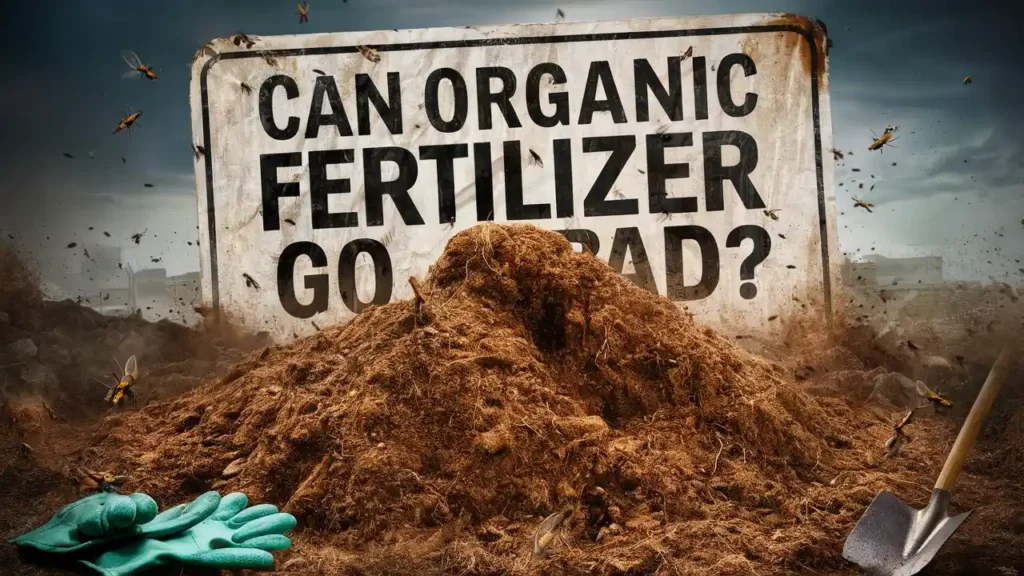
You just found that half-empty bag of organic fertilizer from last season hiding in your garage. And now you’re wondering: Can organic fertilizer go bad?
Can Organic Fertilizer Go Bad?
The short answer? Yes, organic fertilizer can definitely go bad. But it’s not like milk spoiling in your fridge. It’s more about losing effectiveness and becoming a pain to use.
I’ve been gardening for over a decade, and I’ve made pretty much every fertilizer storage mistake in the book. Today, as a professional organic fertilizer machine manufacturer, I’m going to show you exactly how to tell if your organic fertilizer has gone bad, plus the storage tricks that’ll save you money season after season.
Let’s dive in.
What Actually Happens When Organic Fertilizer Goes Bad
Unlike synthetic fertilizers that can last basically forever, organic fertilizers are made from natural materials that break down over time.
Think about it:
Blood meal, bone meal, fish emulsion… these are all organic materials. And organic materials decompose. That’s just nature doing its thing.
But here’s where it gets interesting:
When organic fertilizer “goes bad,” it doesn’t always mean you need to toss it. Sometimes it just means the nutrient content has shifted or the texture has changed.
Let me break down what happens to different types:
Dry Organic Fertilizers (The Most Common Type)
This includes stuff like:
- Bone meal
- Blood meal
- Composted manure pellets
- Feather meal
- Kelp meal
When these go bad, you’ll typically see:
Clumping and Caking: Moisture is the enemy here. Even a little humidity can turn your nice, spreadable fertilizer into rock-hard chunks.
Mold Growth: See any fuzzy white, green, or black spots? That’s mold. And it’s a clear sign your fertilizer has absorbed too much moisture.
Pest Infestation: Blood meal and bone meal are basically dinner bells for rodents and insects. If stored improperly, you might find some unwanted guests.
Nutrient Loss: This one’s sneaky. Your fertilizer might look fine, but the nitrogen content can slowly volatilize (turn into gas) over time, especially if exposed to heat and moisture.
Liquid Organic Fertilizers
Liquid organics like fish emulsion and liquid seaweed have their own set of issues:
Separation: Ever shake a bottle of salad dressing that’s been sitting too long? Same thing happens here. The solids settle to the bottom in a thick sludge.
Fermentation: If not properly preserved, liquid organic fertilizers can start fermenting. You’ll know because the smell goes from “pretty bad” to “oh my god what died in here.”
Container Bulging: See a plastic bottle that looks like it’s about to explode? That’s gas from decomposition. Don’t open it indoors. Trust me on this one.
How to Tell If Your Organic Fertilizer Has Gone Bad
So how do you know if that old bag of fertilizer is still good?
Here’s my quick inspection checklist:
The Visual Test
First, take a good look at it.
For dry fertilizers:
- Check for visible mold (fuzzy growths)
- Look for insect larvae or other pests
- See if it’s clumped into hard chunks
For liquids:
- Check if the container is bulging
- Look for excessive separation
- Notice any weird color changes
The Smell Test
This one’s important.
Fresh organic fertilizer doesn’t smell great. Let’s be honest about that.
But bad organic fertilizer? It smells REALLY bad.
If your fish emulsion smells like death itself, or your bone meal has a sour, rotten odor that makes you gag, it’s time to let it go.
The Texture Test
For dry fertilizers, grab a handful (with gloves on).
Does it crumble nicely? Good.
Is it rock hard? Or slimy? Not so good.
For liquids, give the container a shake. If it mixes back together easily, you’re probably fine. If it stays separated or has chunks floating around, that’s a problem.
Real Shelf Life of Different Organic Fertilizers
Here’s what I’ve learned about how long different organic fertilizers actually last:
Dry Organic Fertilizers
Properly stored: 2-5 years (sometimes longer)
Poorly stored: 6 months to 1 year
The key word here is “properly.”
I once had a bag of bone meal last 4 years because I kept it sealed tight in a cool, dry basement. But I’ve also had blood meal go moldy in 3 months because I left the bag open in a humid shed.
Liquid Organic Fertilizers
Unopened: 2-3 years
Opened: 6 months to 1 year
Once you crack open that bottle of fish emulsion, the clock starts ticking.
Pro tip: Write the date you opened it right on the bottle with a Sharpie. Future you will thank present you.
Compost and Manure-Based Fertilizers
Bagged and sealed: 1-2 years
Bulk or homemade: Use within the season
These have the shortest shelf life because they’re actively decomposing. That’s not necessarily bad – it’s what makes them work. But it does mean they won’t store as long.
Storage Tips That Actually Work
After ruining more fertilizer than I care to admit, here’s my bulletproof storage system:
Keep It Dry (This Is Everything)
Moisture is fertilizer enemy #1.
Store your fertilizer in:
- Airtight containers (I use 5-gallon buckets with gamma seal lids)
- Original bags placed inside plastic bins
- A dry basement, not a damp garage or shed
Never store fertilizer:
- On concrete floors (they wick moisture)
- Near water heaters or pipes
- In areas with temperature swings
Temperature Matters More Than You Think
Heat speeds up decomposition and nutrient loss.
Cool and consistent is the name of the game. Think 50-70°F if possible.
Your hot attic or freezing shed? Not ideal.
Keep It Sealed and Labeled
I can’t tell you how many times I’ve opened an unlabeled container and played the “what fertilizer is this?” guessing game.
Label everything with:
- What it is
- When you bought/opened it
- The NPK ratio (if known)
The Pest-Proof Protocol
Remember those dinner bell fertilizers I mentioned?
Here’s how to keep critters out:
- Use metal containers for blood meal and bone meal
- Add a bay leaf or two (pests hate them)
- Never store near pet food or birdseed
- Check containers monthly for signs of invasion
What to Do With Bad Organic Fertilizer
So your fertilizer failed the tests. Now what?
When You Can Still Use It
Sometimes “bad” fertilizer is just less effective, not harmful.
Clumpy fertilizer? Break it up with a hammer or run it through a sieve. It’ll work fine.
Slightly separated liquid? Shake it like your life depends on it. If it mixes, you’re good.
Lower potency? Just use more of it. Your plants won’t mind.
When to Toss It
But sometimes, you gotta know when to fold ’em.
Toss fertilizer that has:
- Visible mold growth
- Active pest infestation
- Extreme fermentation (bulging containers)
- A smell that makes you physically ill
Disposal Done Right
Don’t just throw it in the trash.
For small amounts:
- Add to your compost pile
- Bury it in a unused garden bed
- Mix with soil for non-edible plants
For large amounts:
- Contact your local waste management
- Check for hazardous waste collection days
- Ask local farms if they want it (seriously, some will take it)
My Favorite Organic Fertilizer Storage Hacks
Here are some tricks I’ve picked up over the years:
The Vacuum Seal Method
Got a vacuum sealer for food? Use it for fertilizer.
I vacuum seal opened bags of blood meal and bone meal. They last literally years this way.
The Silica Gel Trick
You know those little packets that come in shoe boxes? Save them.
Toss a few in your fertilizer containers. They absorb moisture like crazy.
The Deep Freeze Technique
This one’s controversial, but hear me out.
I store expensive organic fertilizers (like bat guano) in my chest freezer. Freezing stops all decomposition cold (pun intended).
Just let it thaw completely before using.
Setting Up Your Fertilizer Storage System
Want to build a storage system that actually works? Here’s my setup:
The Basic Setup (Under $50)
- 5-gallon buckets with tight lids
- Moisture-absorbing packets
- Labels and markers
- A simple shelf to keep things off the floor
The Premium Setup (Under $200)
- Gamma seal lids (spin-on, airtight)
- Metal storage cabinet
- Digital hygrometer to monitor humidity
- Dedicated storage area with climate control
The “I’m Serious About This” Setup
- Climate-controlled storage room
- Professional shelving system
- Vacuum sealer for opened bags
- Inventory tracking system (yes, I use a spreadsheet)
Common Mistakes That Ruin Organic Fertilizer
Learn from my failures:
Mistake #1: The “It’ll Be Fine” Approach
Leaving bags open because you’ll “use it soon.” Spoiler: You won’t.
Mistake #2: The Garage Floor Storage
Concrete = moisture magnet. Always elevate.
Mistake #3: The Mix and Store
Pre-mixing different fertilizers seems efficient. But they can react with each other over time.
Mistake #4: The Bulk Buy Trap
That 50-pound bag seems like a great deal. Until half of it goes bad.
Quick Troubleshooting Guide
Problem: Fertilizer is rock hard
Solution: Break it up, sieve it, check for mold before using
Problem: Liquid fertilizer separated
Solution: Shake vigorously, strain out chunks if needed
Problem: Weird smell (beyond normal)
Solution: If it’s fermented or rotten, dispose of it
Problem: Found bugs in fertilizer
Solution: Toss it if actively infested, freeze for 48 hours if just a few
The Bottom Line on Organic Fertilizer Storage
Here’s what it all comes down to:
Can organic fertilizer go bad? Absolutely. But with proper storage, you can extend its life significantly and save money in the long run.
Remember:
- Keep it dry
- Keep it cool
- Keep it sealed
- Keep it labeled
Follow these rules and your organic fertilizer will last for years instead of months.
The key is being proactive about storage instead of reactive when you find a moldy mess. Set up a simple system now, and you’ll never have to wonder if your fertilizer is still good again.
Your plants (and your wallet) will thank you.